
Near Mint
NM- Minimal wear from shuffling, play, or handling
- Nearly unmarked surface, crisp corners, unblemished edges
- May have slight edge wear or a couple of minor scratches
- Looks and feels essentially unplayed
House standard · Card condition
North American and European grading scales do not line up the way people assume — a card called EX under the European standard is very often what North American buyers expect from MP, not LP. This guide lays out both official scales side by side, shows exactly where they diverge, and sets the standard we use for buying, stocking and grading every listing.
Side by side
The scales aren't offset by one clean step — the gap opens up in the middle and gets worse the more worn a card is. Select a grade to see how it is treated on both sides of the Atlantic.
North America (TCGplayer)
Europe (Cardmarket)
TierZero Grade
North America
Europe
Cross-reference
How a North American grade, the TierZero grade and the nearest European grade line up — and what to actually expect in the package.
| North America | TierZero Grade | Nearest European grade(s) | What to expect |
|---|---|---|---|
| NMNear Mint | NM | M NM | Straightforward overlap. Fresh-from-pack condition on both sides. |
| LPLightly Played | LP | EX (upper end) | Light silvering on corners and edges only, essentially no scratching, and definitely no crease — the cleaner half of what North America calls “practically NM”. |
| — | EX | EX (lower end) GD (upper end) | North America has no equivalent grade here — this tier is TierZero-only. More pronounced silvering and visible scratching than LP, but still no crease: the rougher half of what North America lumps into a single LP tier. |
| MPModerately Played | MP | GD (lower end) LP (upper end) | Where a crease enters the picture. However clean the silvering and scratching look, a crease on its own is enough to put a card here rather than LP or EX. |
| HPHeavily Played | HP | LP (lower end) PL | Heavy, visible wear throughout, but the card is still whole and authenticatable. |
| DMGDamaged | DMG | PO | Structural damage, alterations, or anything that fails on integrity rather than just cosmetics. |
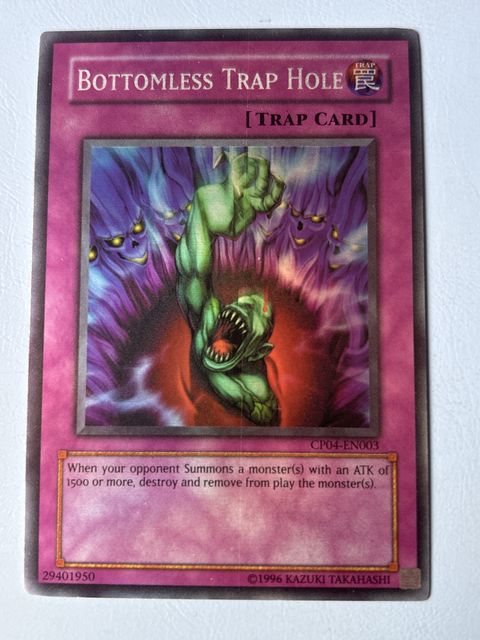
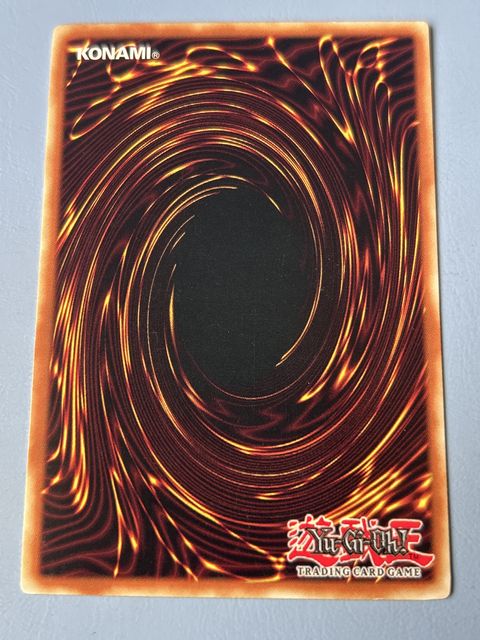
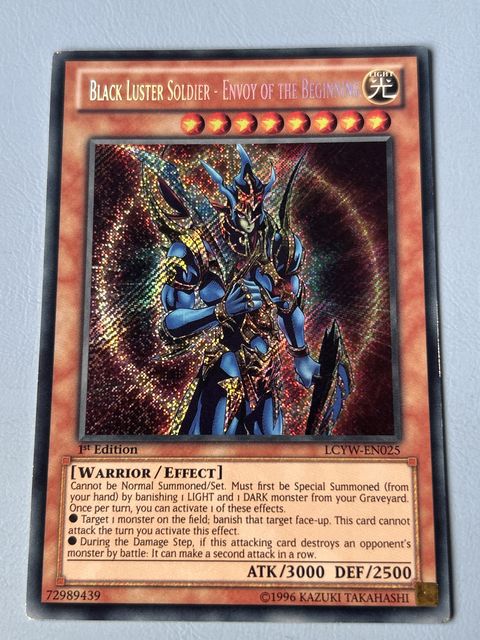
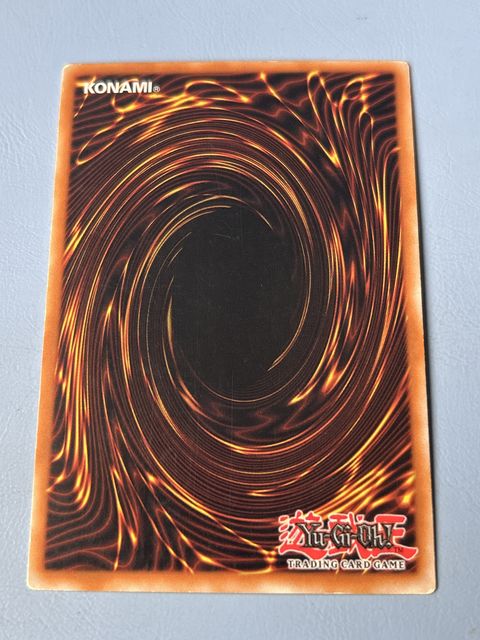
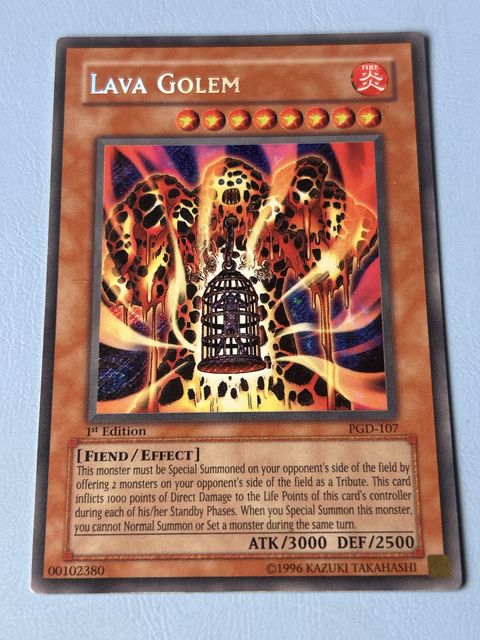
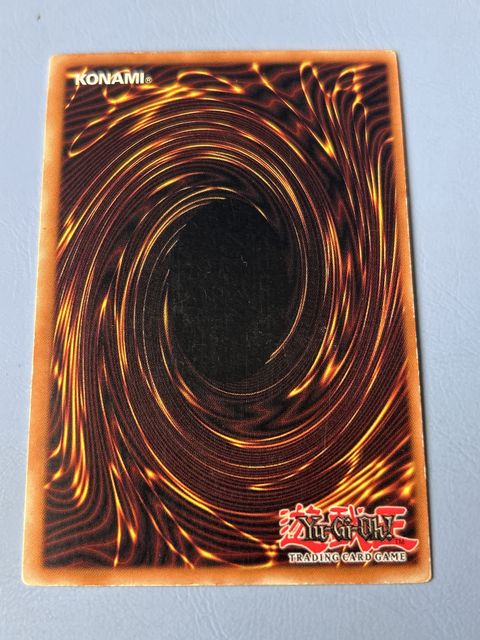
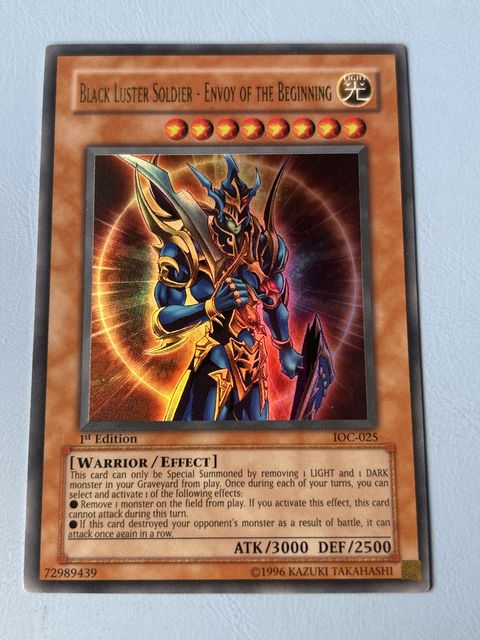
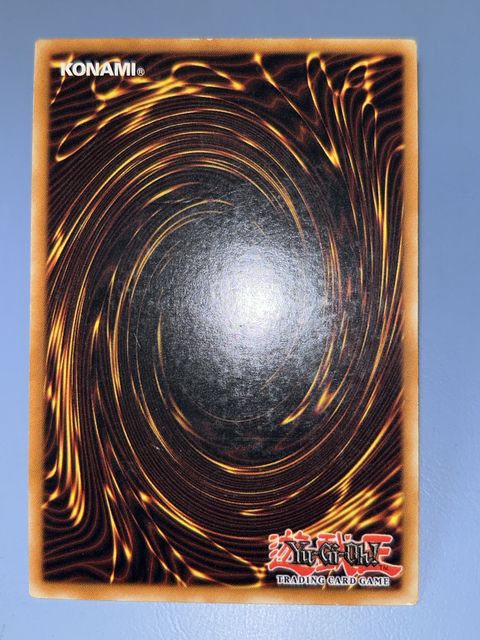
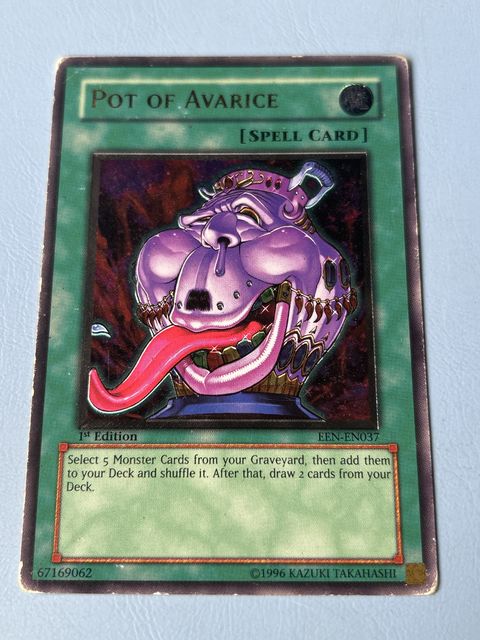
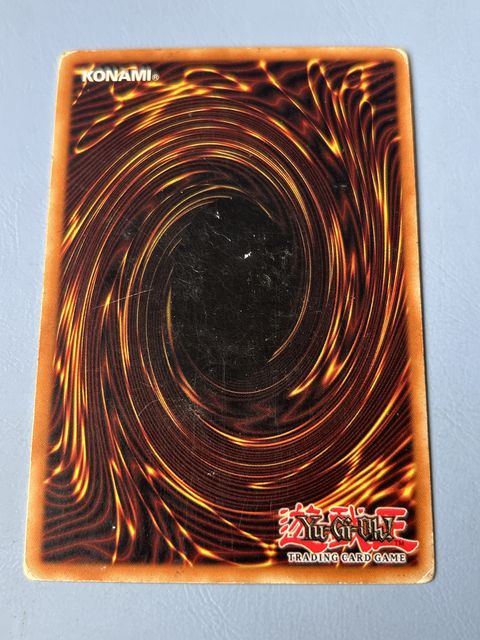
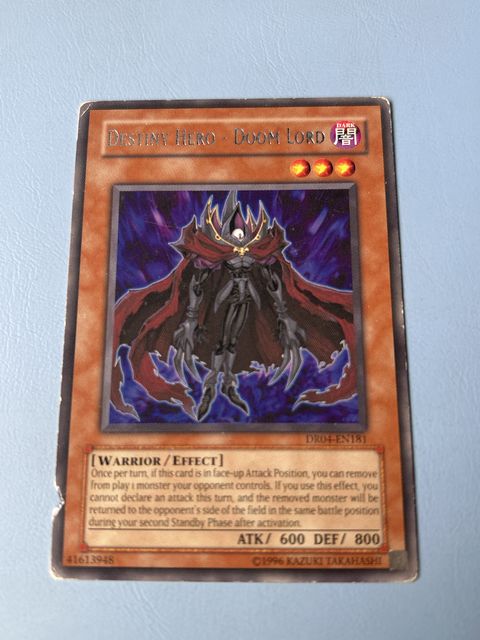
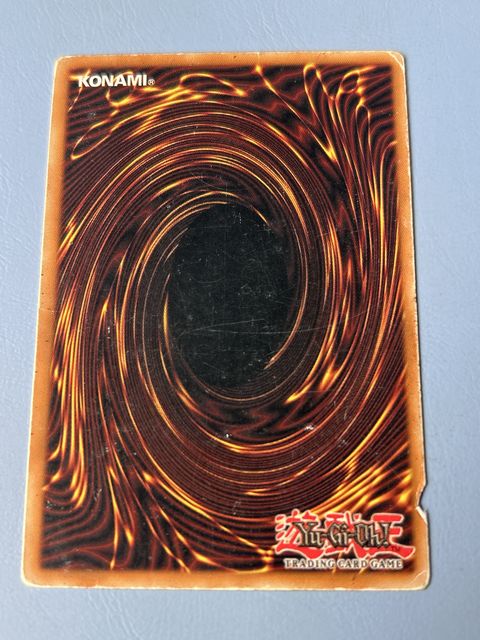
Why TierZero has its own EX tier. This card is a good example of why. There's noticeably heavier edge and corner silvering than TierZero Lightly Played allows, plus more scratching across the surface — but no crease, so it's not Moderately Played either. Forcing it into either neighbour would be wrong one way or the other, so under TierZero Grade it's simply EX — its own tier, sitting between LP and MP.
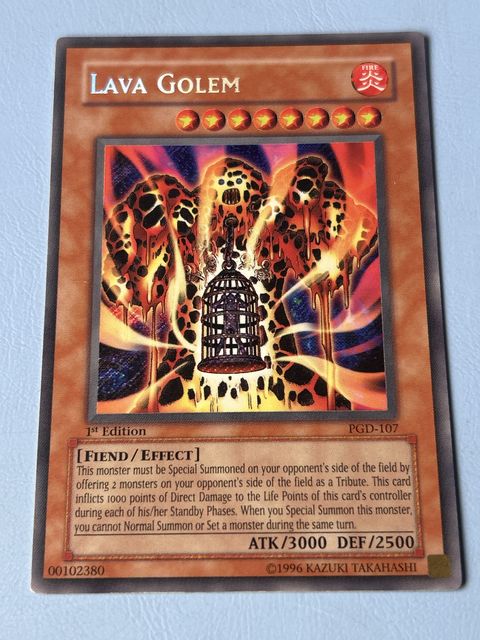
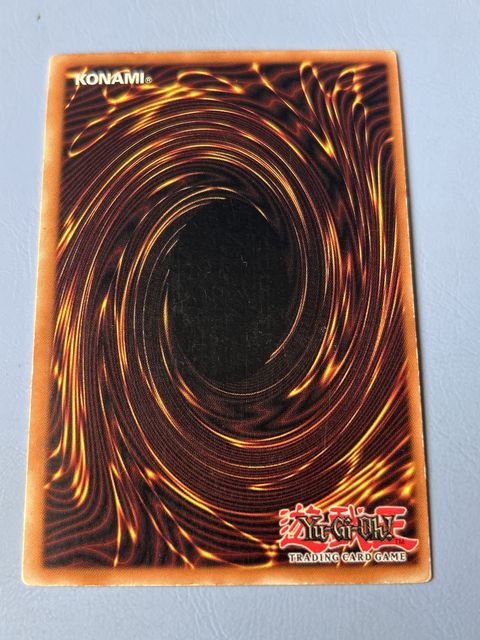
This card is a good example of why. There is noticeably heavier edge and corner silvering than TierZero Lightly Played allows, plus more scratching across the surface — but no crease, so it is not Moderately Played either. Forcing it into either neighbour would be wrong one way or the other, so under TierZero Grade it is simply its own tier, sitting between LP and MP.
Graded as EX
TierZero
Quick method
Work through these in order. Structure comes first because a crease overrides everything found later.
Flex check for bends, creases, or splitting. Any structural damage caps the grade immediately — cosmetics stop mattering.
Look for softening, whitening, or fraying at all four corners, front and back.
Run along all four edges under angled light for whitening, chipping, or scuffing.
Check for scratches, clouding, dirt, and — on foils — bubbling or curl. Tilt under light; don't just look straight on.
Confirm authentication markers are intact and check for alterations: ink, paint, stamps, or signatures.
Non-negotiable
These faults set the grade on their own, regardless of how the rest of the card looks.
Signatures, stamps, ink, or paint → Damaged (NA) / Poor (EU), no matter how clean the rest of the card is.
Food, liquid, or other residue → not sellable in any condition, on either standard.
Blackened or whitened borders → Poor (EU) / Damaged (NA), treated as an attempt to disguise wear.
Miscuts and shifting are graded separately from wear — note them, but don't confuse them with play condition.
Grading is a judgement call, not an exact science. When a card sits on a line between two grades, we grade down, not up.
The words we use
The grading rules below are unreadable until these mean something specific. Both official scales define their own terms first, and so do we.
Tiny flecks of white where the ink has rubbed off an edge or corner, exposing the pale core underneath. The most common wear on a played card, and the first thing to check.
Also called whitening, edge wear, chipping
A line or ridge left by folding, pressing or crushing the card. A crease caps a card at Moderately Played however clean everything else looks — it is the single hardest line in the scale.
Also called fold, bend line
Fine lines across the printed surface, most visible on foil when the card is tilted under a light. Distinct from scuffing, which is a dulled patch rather than a line.
Also called surface scratch, hairline
A hazy, dulled area on the gloss, usually from handling or shuffling without sleeves. Reads as a loss of shine rather than a mark.
Also called scuffing, haze, dulling
Whether the card is still structurally whole, playable and authenticatable. Anything that fails on integrity is Damaged regardless of how it looks cosmetically.
Also called structure, playability
Verifiable as genuine using the manufacturer's own markers. A card that cannot be authenticated is Damaged even with no visible wear.
Also called verifiable, genuine
If we still haven't answered your question, you can contact us below and we will get back to you as soon as possible.